




Entering the railway industry can feel overwhelming, but remember: career development is personal. There’s no universal path to success, and over-strategising your career from the outset can lead to missed opportunities and added pressure. Here’s my advice on how to navigate this industry, focus on growth, and build a fulfilling career. Focus on Performing Well in Each Role The most significant career opportunities often arise when you excel in your current role. By prioritizing competence and quality, you naturally position yourself as a valuable team member, opening doors you may not even see yet. Consistent performance doesn’t just build a resume—it builds a reputation, which is far more influential in the long run. So, rather than setting strict goals for where you’ll be in 10 years, focus on mastering each role as it comes. Let your growth be defined by your contributions and skills. Get Hands-On Experience in Maintenance and Operations Early On In railway engineering, the practical experience gained from maintenance and operations is foundational. Working directly with maintenance teams provides an understanding of how engineering decisions impact daily operations, asset performance, and safety standards. While it may seem like “getting your hands dirty,” this work builds knowledge that’s hard to acquire later in your career and gives you a practical edge in future design or management roles. Seek out roles that allow you to learn the ropes of maintenance, asset management, and operational workflows early on. Prioritise Practical Knowledge Over Theory One of the best ways to accelerate your growth as an engineer is by observing how theory applies in real-world scenarios. Working in maintenance, for example, shows you firsthand the effects of design choices on equipment performance, durability, and the safety of those operating it. This practical experience can enhance your design or project management work later, as it gives you a grounded perspective on how to create sustainable, efficient solutions. Avoid Overthinking Your Career Path—Trust in the Process In an industry as dynamic as railway engineering, flexibility is your ally. Instead of meticulously planning every career step, allow some flexibility and keep an open mind for unexpected opportunities. Trust that consistent dedication will organically guide you toward rewarding roles and new challenges. In my experience, the most impactful career shifts often come from being open to change rather than adhering to a rigid plan. Let the Railway Guide You: Taking Care of the Industry Takes Care of You There’s a balance to be found between ambition and service. When you approach your work with a genuine commitment to quality, safety, and innovation, the industry has a way of rewarding that dedication. Taking care of the railway—meaning giving your best to each project, supporting the integrity of the infrastructure, and respecting the profession—leads to a fulfilling career. Simply put, if you care for the railway, the railway will, in turn, take care of your professional growth. For engineers just starting out, this industry offers a vast landscape of learning, challenges, and rewards. By focusing on practical experience, performing consistently, and trusting that your career will evolve naturally, you’re setting yourself up for a meaningful and impactful journey in railway engineering.
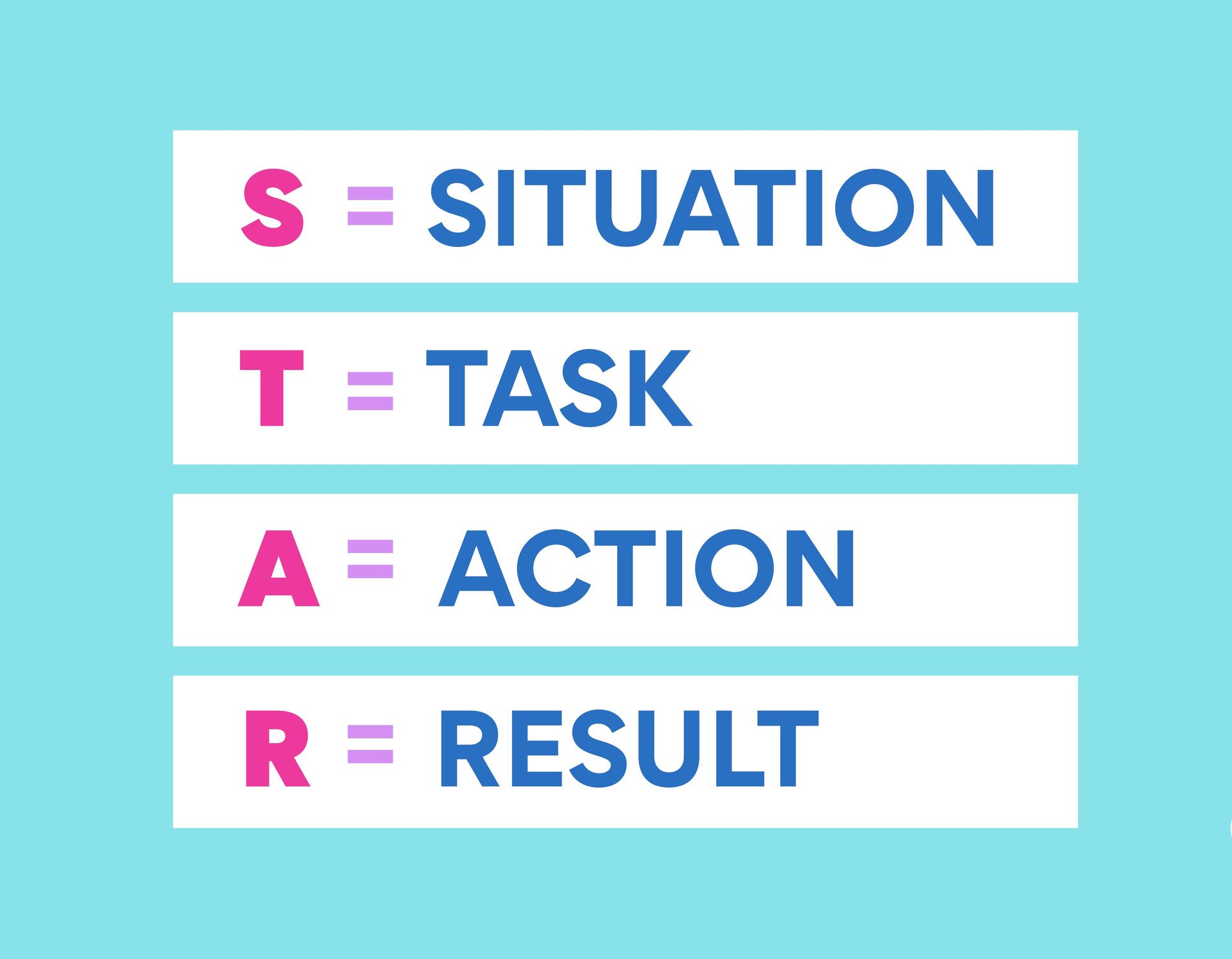
When confronted with an interview, being a master in the STAR technique can set you apart. This systematic method allows you to structure responses to showcase real-life achievements clearly and effectively, making you a truly memorable and impactful candidate in interviews. Let's delve into what the STAR method entails, how to efficiently implement it, and its specific advantages for technical positions. Understanding the STAR Method The STAR method stands for Situation, Task, Action, and Result. This technique helps you tell your story in a way that makes it easy for interviewers to understand your experiences and qualifications. Situation: Describe the context where you faced a task or challenge at work, such as a specific project, tight deadline, or a difficult workplace environment. Task: Outline your specific responsibilities or challenges. This allows the interviewer to grasp your role in the situation. Action: Explain the steps you took to resolve the situation or tackle the task. This is where you can highlight your skills and thought processes. Result: Share the outcomes of your actions. Use numbers or metrics to validate your achievements. For instance, "I increased sales by 20% in one quarter by implementing a new marketing strategy." Practicing this method prepares you to share detailed stories that relate to the skills necessary for your target role.

As a recruiter in the vibrant Australian Infrastructure space, I have faced many challenges in finding top candidates. The industry is booming, and so is the competition. Traditional recruitment methods often left me overwhelmed, spending countless hours sifting through resumes and conducting initial screenings. However, discovering AI-driven recruitment technologies was for me a game changer, and also a way to edge the competition being a one-man band (for now). The Shift Towards AI Recruitment At first, I was a bit reluctant to rely too much on AI in my recruitment process. It felt like a big leap, but I soon learned that this technology could save me significant time and effort. Studies I have read show that using AI tools can help recruiters save up to 30% of their time. This means more opportunities to focus on BD, building relationships and engaging with candidates in the sectors I cover rather than getting lost in admin tasks. The Australian market, is ready for transformation. With the government's commitment to expanding infrastructure projects, the demand for skilled professionals is rising. Recruiters willing to adapt to AI have a clear advantage over those sticking with outdated methods. Tools That Make a Difference After exploring different AI-driven recruitment tools, I started utilizing a combination of effective platforms. I focused on Applicant Tracking Systems (ATS) like Loxo and HireVue. These tools automate tasks such as formating resumes, scheduling interviews,automate emailing campaigns and even conducting profile matching with AI support, allowing for a streamlined workflow.

If you're in the rail industry or just a tech enthusiast, you're probably hearing a lot about Artificial Intelligence (AI) these days. AI isn’t just a buzzword—it’s a real, transformative force reshaping how we run our rail networks. From optimizing train schedules to enhancing safety, AI is helping us rethink the rail experience. And trust me, the impact is game-changing. Whether you’re an operator, a passenger, or a stakeholder, AI has something to offer. So, let’s dive into what AI is doing for rail and why it’s time to get on board with this smart technology. 1. Smarter Schedules, Happier Passengers For rail operators, keeping everything running on time is always the top priority. But let's be honest, delays happen—sometimes a bit too often. Enter AI, with its knack for analysing real-time data and making instant decisions that keep the trains running smoothly. Take Siemens' Railigent® as a great example. This platform uses AI to analyse data from trains, tracks, and even weather forecasts to predict delays and optimise train schedules in real time. Imagine an AI system that knows when a delay might happen and adjusts the timetable or routes before it becomes a problem. Fewer delays mean happier passengers who aren’t stuck on the platform or crammed in packed trains. 2. Safety First, Always: AI to the Rescue Safety in rail isn’t just a box to tick—it’s the core of everything. And AI is supercharging safety measures like never before. We’re talking about spotting problems before they even become problems. Look at Alstom’s HealthHub™ . This AI-driven platform uses predictive analytics to continuously monitor the health of trains and tracks. By analyzing data from thousands of sensors, it can detect early signs of wear and tear, alert operators to potential issues, and even prevent accidents by addressing these problems before they escalate.
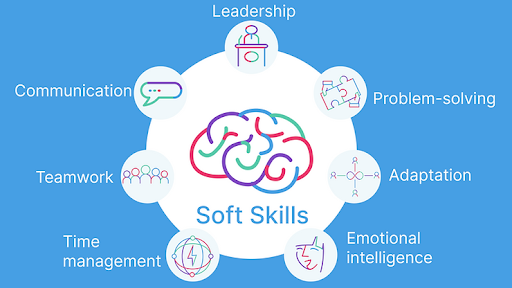
As In (often) candidate-short markets, we are seeing a growing number of organisations placing more emphasis on communication, adaptability, and leadership to attract talent with the right attitude and transferable skills. While technical expertise remains crucial, the ability to navigate complex team dynamics, solve problems creatively, and lead effectively has become equally vital. As the rail, engineering, and construction sectors face evolving challenges and opportunities, hiring managers are increasingly looking for professionals who bring a balance of technical prowess and essential soft skills to the table. This article delves into why soft skills matter more than ever in technical roles, supported by facts, statistics, and expert insights that underline their importance. 1. Communication and Collaboration: The Cornerstones of Success Engineering and construction projects often involve multidisciplinary teams, tight deadlines, and significant financial stakes. Effective communication and collaboration among team members, clients, and stakeholders are essential to avoid misunderstandings and ensure that projects are completed on time and within budget. The Numbers Speak: According to a study by PMI (Project Management Institute), poor communication is cited as the primary cause of project failure one-third of the time and has a negative impact on project success more than half the time. Good communication practices, on the other hand, can increase a project’s likelihood of success by over 20%. A survey by the National Association of Colleges and Employers (NACE) found that 73.4% of employers want candidates who possess strong teamwork skills. This is particularly important in technical roles where clear communication can mean the difference between a project’s success or failure. 2. Problem-Solving: Beyond the Technical Scope While technical knowledge is vital for identifying and diagnosing issues, the ability to think critically, approach problems from different angles, and devise innovative solutions is equally crucial. Soft skills like problem-solving, creative thinking, and adaptability are essential when projects face unexpected challenges, such as supply chain disruptions or changes in client requirements. Evidence from the Field: Research by Deloitte highlights that soft skills like problem-solving, critical thinking, and creativity are essential for 21st-century jobs, predicting that two-thirds of all jobs will require soft skills by 2030. The World Economic Forum’s Future of Jobs Report identifies problem-solving as one of the top three skills needed across all industries, including technical fields like engineering and construction. 3. Leadership at All Levels: The Key to Effective Teams Leadership is often misconstrued as a skill needed only by those in managerial positions. However, in high-stakes environments like rail, engineering, and construction, leadership is required at all levels. From taking initiative on site safety measures to mentoring junior colleagues, effective leadership can significantly enhance team dynamics and project outcomes. What Experts Say: A study by Gallup found that teams led by managers with strong leadership skills are 21% more productive and have a 37% reduction in absenteeism. Research published in the Journal of Construction Engineering and Management found that leadership qualities among team members directly contribute to increased job satisfaction and lower turnover rates, two crucial factors in maintaining project continuity and quality . 4. Adaptability: Navigating a Rapidly Evolving Industry Landscape With rapid technological advancements and a push for more sustainable practices, the rail, engineering, and construction sectors are continuously evolving. Professionals who demonstrate adaptability—both in learning new technologies and in adjusting to shifting project requirements—are in high demand. Supporting Data: A LinkedIn Workplace Learning Report found that adaptability is the number one skill being taught in training programs worldwide. In fast-changing sectors, the ability to learn, unlearn, and relearn is invaluable. According to a survey by PwC, 79% of CEOs in the engineering and construction industry are concerned about the availability of key skills, especially those involving adaptability and tech-savviness. 5. The Competitive Edge in a Crowded Talent Market In today’s competitive job market, technical skills alone are no longer enough to stand out. Candidates who can demonstrate a balance of technical know-how and soft skills are more likely to secure top positions and advance in their careers. Market Insights: A report by the National Soft Skills Association indicates that 85% of job success comes from having well-developed soft skills and people skills, and only 15% of job success comes from technical skills and knowledge. Employers are increasingly looking for candidates who not only fit the technical requirements but also align with the company’s culture and values, making soft skills a crucial differentiator. Conclusion: Redefining Success in Technical Roles In the evolving world of engineering, rail, and construction, soft skills are not just complementary—they are fundamental. They are the force that enables smoother collaboration, innovative problem-solving, and stronger leadership, ultimately leading to more successful projects and cohesive teams. Both employers and candidates must recognise this shift and adapt accordingly. For companies, it’s about redefining hiring and development practices to prioritize soft skills. For professionals, it’s about understanding that in today’s market, mastering the "soft" side is just as crucial as technical expertise.

The infrastructure sector in Australia has been grappling with escalating labor shortages and cost pressures since 2018, exacerbated by the COVID-19 pandemic, economic conditions, and structural workforce issues, leading to significant delays, increased costs, and strategic reevaluations for large-scale and megaprojects. Impact of Unemployment on the Infrastructure Sector and Megascale Projects in Australia Currently navigating a complex landscape marked by significant labor shortages and unemployment challenges, the Infrastructure sector has experienced some serious challenges particularly affecting large-scale and megaprojects. These challenges are leading to delays, increased costs, and strategic reevaluations across the sector. 1. Labor Shortages Driving Up Costs and Delays According to recent data from the Infrastructure Magazine , sectors like rail, roads, and civil construction are facing acute shortages in key trades such as carpentry, electrical, and plumbing. This shortage is resulting in wage increases of 10-20% in some areas, as companies compete for the limited talent pool available. Additionally, labor shortages are causing significant delays in project timelines. For example, several megaprojects like the Sydney Metro West and Melbourne Airport Rail Link have experienced delays ranging from 6 months to over a year due to labor constraints and increased costs. These delays are not only inflating budgets but also posing risks to project delivery schedules, which is crucial for government-backed projects slated for completion ahead of events like the 2032 Brisbane Olympics. 2. Increased Budget Overruns and Cost Escalation With labor shortages driving up costs, many megaprojects are reporting budget overruns. The MBA estimates that large-scale infrastructure projects in Australia have seen cost escalations of 15-25% compared to initial budgets. For instance, projects in regions such as Queensland, where capacity is stretched thin, are at risk of exceeding their allocated budgets due to inflated labor and material costs. Moreover, the compounded effects of rising inflation and high-interest rates are making it more expensive to finance these large-scale projects, which further exacerbates the problem. According to forecasts, if inflation rates remain above the Reserve Bank of Australia's (RBA) target range of 2-3%, construction costs could increase by an additional 5-10% in the next two years. 3. Impact on Project Viability and Strategic Reassessment The combination of labor shortages, increased costs, and delays is leading to reassessments of project viability. A significant number of private sector infrastructure projects are being postponed or scaled back due to these challenges. Reports suggest that up to 30% of planned private infrastructure projects are under review for potential delays or cancellations. This review is due to a mix of labor cost inflation, supply chain constraints, and tighter financial conditions. Government projects are not immune either. In areas where demand exceeds labor supply, public projects are also experiencing delays and potential budget overruns. For example, Queensland is preparing for substantial investment in infrastructure for the 2032 Olympics, but it faces significant challenges related to both labor availability and budget management. 4. Regional Disparities and Differential Impact The infrastructure sector is experiencing uneven impacts across different regions. Regions such as New South Wales and Victoria, which have several large-scale projects underway, are feeling the strain of labor shortages more acutely. The Master Builders Association notes that while some regions may manage with moderate adjustments, regions with multiple concurrent megaprojects face compounded risks of delay and cost blowouts, estimated to be around 20-30% higher than in less active regions. 5. Strategic Responses and Future Outlook To mitigate these challenges, some strategies being considered include: Enhanced Workforce Training and Upskilling: Investing in training programs to quickly bring more workers into the sector. The Australian government is focusing on expanding vocational training and apprenticeship programs in infrastructure trades. Leveraging Technology and Automation: Implementing digital twin technology, AI-driven project management tools, and modular construction to reduce dependency on labor and improve efficiency. Government Incentives and Policy Adjustments: Providing incentives for private investors to continue funding infrastructure projects amidst economic uncertainties. This could include tax relief, subsidies, and policy adjustments to reduce regulatory burdens. Optimistic Yet Cautious Future: While the current situation is challenging, industry experts foresee cautious growth in 2024 and beyond. As inflation pressures ease and interest rates potentially stabilize, there is optimism for more favorable investment conditions. However, the full recovery will hinge on addressing labor shortages and improving project management strategies. The construction and infrastructure sectors are at a pivotal moment where strategic decisions made now will have long-term impacts on Australia’s ability to meet its infrastructure goals. For further details on these trends and their potential implications, refer to Infrastructure Magazine and Master Builders Association.

The Interviews can be daunting, and anyone who has faced one knows the anxiety that comes with it. From making a great first impression to answering tricky questions on the spot, it’s easy to feel overwhelmed. But with the right preparation and mindset, you can not only survive an interview but truly excel. Here’s how to approach your next interview with confidence, authenticity, and the strategies that will help you stand out from the crowd. 1. Know the Interview Format and the Company Understanding the interview format and the company’s culture is your 1st step to success. Whether it’s a behavioral interview or a technical one, being familiar with the structure helps tailor your preparation and responses accordingly. Research the company thoroughly, from its mission to its market position, and align your answers with what they value most. 2. Prepare Your STAR Stories The STAR method (Situation, Task, Action, Result) is your best friend for competency-based questions. Craft and rehearse stories that highlight your relevant experiences and achievements. This structured approach not only keeps you focused but also demonstrates your problem-solving skills and accomplishments clearly.

While there is no doubt a successful onboarding would have a major influence on employee's retention, performance and even productivity, I thought I would share key takeaways from recent reports I've read (Harvard Business Review, MYOB) on the results of poor onboarding, what new hires' experience with a company is actually telling us and share pro tips on how to champion the onboarding process moving forward. But first, a few key takeaways: 52% new hires satisfied with onboarding, whilst 32% found it confusing and 22% disorganised Large companies employees generally more satisfied with their onboarding vs. SMBs Up to 80% retention rates & 70% improved productivity with effective onboarding Disengaged employee costs estimated an average 18% of their salary The Importance of Preparing for New Staff Members First Impressions Matter: As below graph indicates, the initial days and weeks set the tone for a new employee's experience. A well-prepared onboarding process demonstrates an organisation's commitment to their success and fosters a positive first impression.

Finance Managers: How to Navigate Talent Acquisition and Retention Challenges in a Candidate Market?
The quest for top talents has been an ongoing challenge for a while in Australia. Finance managers we spoke to have to face a myriad of pain points in their pursuit of assembling and retaining high-performing teams. According to recent statistics from industry reports, these challenges are not merely anecdotal but are deeply rooted in the dynamics of the Australian job market. The Australian Financial Review reported that the finance and insurance services industry recorded a 2.9% year-on-year growth in employment in 2022, outpacing the national average across all sectors. This growth, fueled by economic recovery efforts and ongoing digitisation, has intensified competition for skilled professionals, leaving finance managers grappling with a shrinking talent pool. Certain roles stand out as particularly difficult to fill due to their specialized nature and evolving skill requirements. Let's delve into some of these roles and the reasons behind their scarcity in the talent pool: 1. Competitive Job Market Finance managers often find themselves competing for talents with not only domestic firms but also multinational corporations and emerging startups. This heightened competition can make it challenging to attract the best candidates, particularly for specialised roles. Solution: To stand out in a crowded job market, Finance Managers must focus on building a compelling employer brand. Highlighting unique company culture, career development opportunities, and attractive compensation packages can help attract top talent. 2. Evolving Skill Requirements The Finance space is constantly evolving, driven by technological advancements, regulatory changes, and shifting market dynamics. As a result, the skill sets required for success in finance management are continuously evolving. Finance Managers must navigate the delicate balance between recruiting candidates with traditional finance expertise and those with emerging skills in transformation, cyber security, data analytics, and digital finance Solution: Embracing ongoing training and upskilling initiatives is essential for finance managers to keep pace with evolving skill requirements. Investing in professional development programs, certifications, and cross-functional training can help existing employees adapt to changing demands while attracting candidates with a growth mindset. 3. Talent Retention Challenges Once finance managers succeed in attracting top talent, retaining them becomes paramount. High turnover rates can disrupt workflow, diminish team morale, and incur significant costs associated with recruitment and onboarding. Factors such as limited career advancement opportunities, inadequate recognition, and work-life balance issues can contribute to employee attrition. Solution: Finance Managers can enhance talent retention by prioritising employee engagement and satisfaction. Regular feedback sessions, performance evaluations, and career progression discussions demonstrate a commitment to employee development and empowerment. Offering competitive compensation packages, including bonuses, and other incentives, can also incentivize employees to stay with the organization long-term. 4. Leveraging Technology and Data In an increasingly digital landscape, finance managers must leverage technology and data analytics to streamline processes and drive strategic decision-making. However, the rapid pace of technological advancement can pose challenges in finding professionals with the adequate digital skills and expertise. Solution: Finance managers should prioritise recruiting candidates with a strong aptitude for technology and data analytics while providing opportunities for ongoing training and skill development. Implementing advanced financial software solutions and automation tools can enhance operational efficiency and empower employees to focus on high-value tasks. If your organisation is experiencing the challenges mentioned above, please do get in touch. Rec-Partners specialises in spotting Unicorns with a disruptive approach aimed for success and full satisfaction from its partners. Ask us how!

Starting a new job, in a new company, is certainly a thrilling experience filled with a myriad of emotions. Opening up a new chapter in your career, it is natural to feel a mix of excitement, anticipation, and maybe a touch of nervousness too. Amidst these swirling emotions, take a moment to acknowledge the accomplishment of securing this position first. You made it to this point and it is no coincidence nor luck. It is rather your determination, and the impressive blend of attitude, soft skills, and experience that caught the eye of your future employer.